11OCT
Fighting Techniques
Why Choose Army Fighting Techniques?
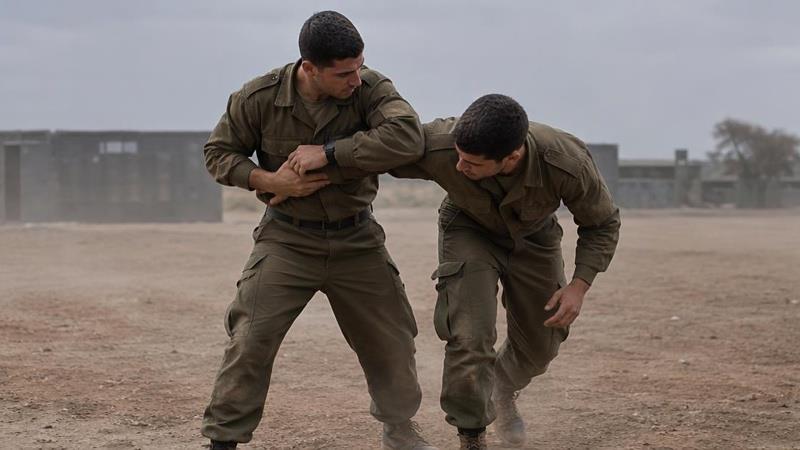
Military combatives were built for exhaustion, bad footing and no referee. That is exactly why they transfer so well to the messy reality of a street confrontation.
Read More6 min read
Military Combat Education
Fighting techniques
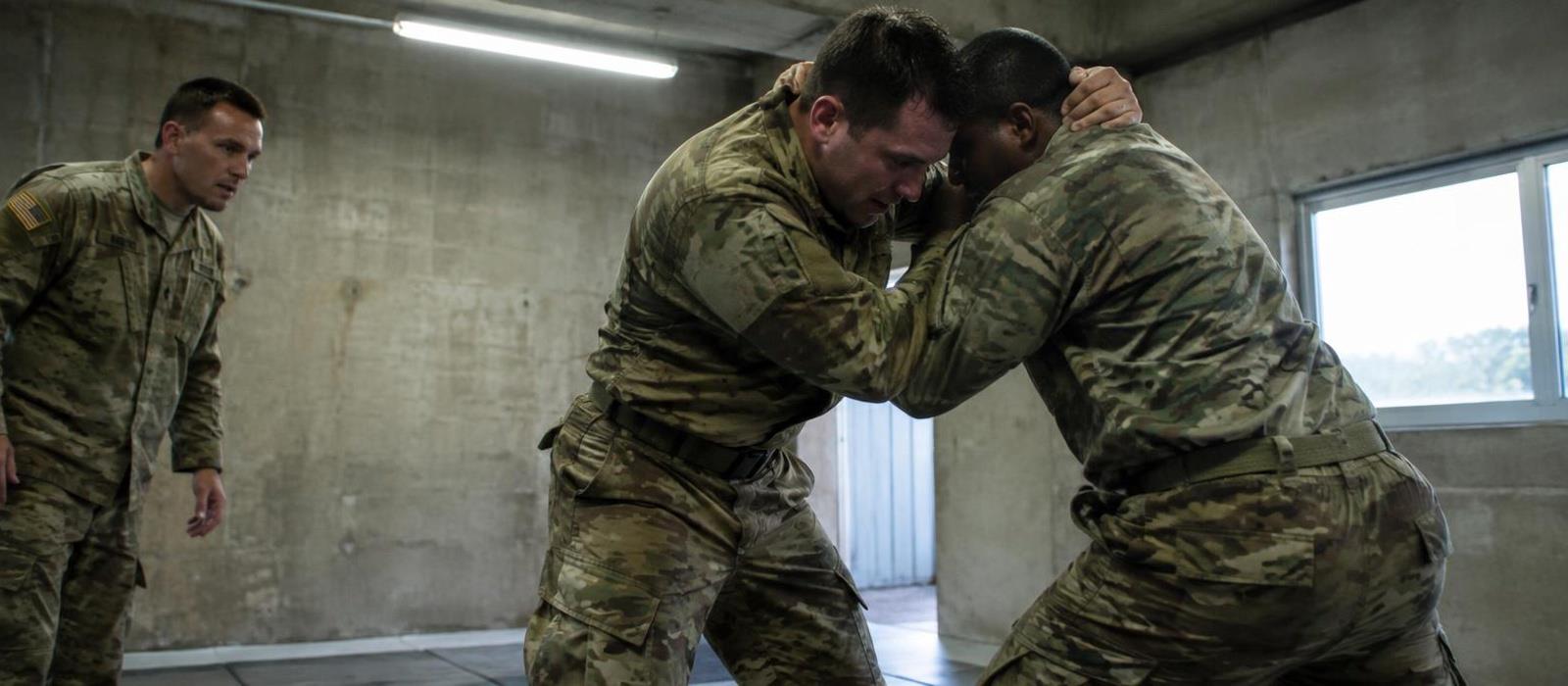
Clinch, takedown, ground control and the escalation back to a weapon — the actual skeleton of a modern combatives program.
Army Fighting Secrets — editorial resource on military combat training, martial arts and self-defense.
Fighting techniques
Army combatives do not try to be complete. They try to be reliable. The program is a short ladder: establish control, take the fight where you want it, finish the immediate threat, then get back to your feet and back to your equipment.
Each article here breaks down one rung of that ladder, including the positions where the technique stops working and what a soldier is taught to do instead.
3 published
Military combatives were built for exhaustion, bad footing and no referee. That is exactly why they transfer so well to the messy reality of a street confrontation.
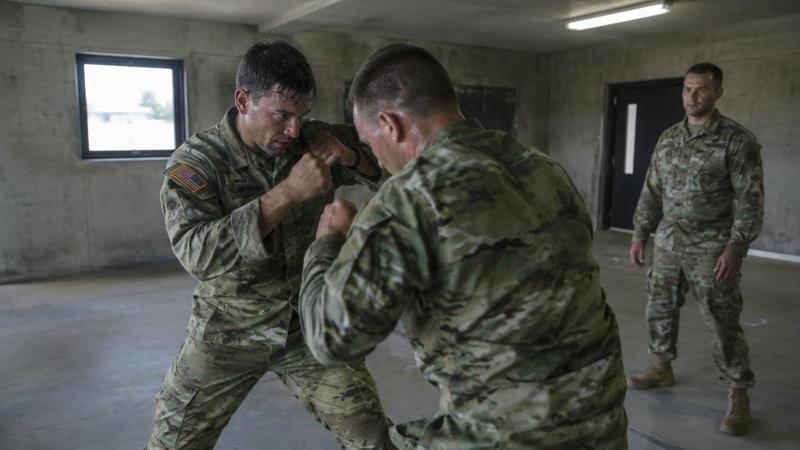
The army curriculum is short on flash and long on repeatability. Here is the actual skeleton of a modern combatives block, from the clinch to the finish.
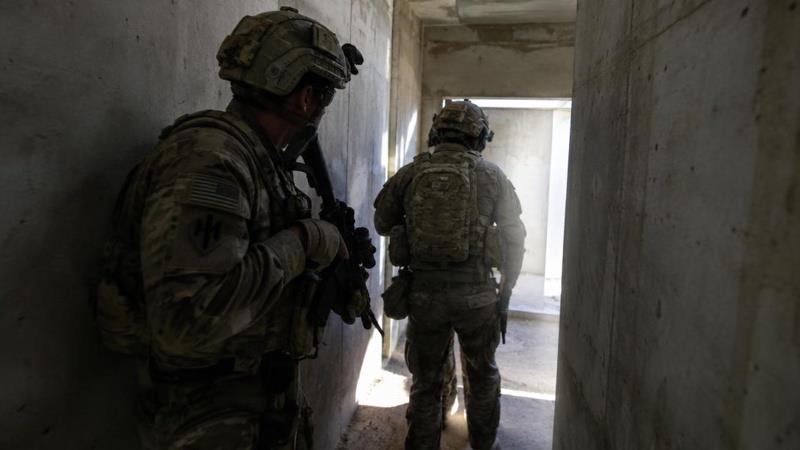
Close-quarters skill is not a single talent. It is the product of repetition, footwork discipline and the willingness to be corrected in front of your peers.